



During the past few years, we have all been witnesses to a major and dynamic shift within the broadcasting industry. Broadcasting and broadcasters are experiencing a total transformation of their companies caused by:
- numerous mergers and acquisitions;
- consolidation and integration of stations and facilities;
- staff reductions, retirements and reorganizations;
- automation and computerization of technical systems;
- networking via satellite, terrestrial and optic fibre links;
- the continuous migration towards the digitization of pictures and sounds;
- a new mindfulness towards the core business focus and scope;
- reductions to the space, size and layout of their technical resources;
- the advent of HDTV and soon, UHDTV,
- several different methodologies for distribution of programming, such as DBS, digital cable, wireless cable, xDSL, and the world wide web;
- the overall impact of the internet;
- viewer fragmentation caused by the increased competition;
- the disintegration of traditional broadcasting footprints, geographical borders and infringement of copyright coverage areas
Introduction
In our distracted rush to implement and react to these business and technical changes, serious attention to and consideration of the art of good ergonomic design appears to have fallen by the wayside. Good ergonomic design is a vital and necessary step to permit us to efficiently adapt, absorb, deflect or minimize the impact of these changes.
The word ergonomics is derived from the Greek words “ergon” (work) and “nomos” (law). It is also known in North America by the term human factors engineering. By definition, ergonomics is the act of designing equipment, technical systems and tasks, in such a way as to improve human performance, comfort, health and safety.
Why is this important? Why should we pay more attention to ergonomics in our technical facilities? Because, we are radically changing our business models and we are not always, synchronously changing the ways and methods of our technical systems. So, the result is that we are neglecting our greatest business advantage and resource: our people.
By neglecting our staff, we are creating new and unnecessary problems for our businesses. Problems such as psychological illnesses (workplace stress) and diseases of the musculoskeletal system (lower back pain) are not uncommon. Issues like these contribute to increases in absenteeism due to illness and even to occupational disability. These negative conditions can, in part, result from poor design of equipment, technical systems and tasks.
As we continue to pursue greater efficiency in our industry, we shall continue to depend, more and more, on the remaining, highly trained, specialized, skilled and knowledgeable staff. These people are not easily replaced. Therefore, it is extremely important that we care for these employees and help them, and ourselves, by providing a good, ergonomically correct, workplace environment.
Ergonomics can contribute to the betterment of employee health and welfare and offer some prevention of these concerns. Also, to a considerable degree, it can greatly improve staff performance and efficiency. The following topics should be viewed as a checklist to help you when you build or renovate your broadcasting technical systems and resources.
It is an important principle of good ergonomic design to always plan your engineering around your people first, and improve the ways in which they interact with your technical resources and equipment. So, do not focus your design around the equipment and technical resources, with little or no regard for your staff and operational procedures. This basic concept will be of great benefit to your business if applied correctly. Good ergonomic design really is a low cost solution to a high cost problem. Do your facilities meet these ergonomic design criteria?
Posture and Movement
Posture and movement play a central role in ergonomics. Postures and movements are often imposed by the task at hand and the workplace environment.
Posture
- Joints must be in a neutral position
- Keep the work close to the body
- Avoid bending forward
- A twisted torso strains the back
- Sudden movements and forces produce peak stresses
- Alternate postures as well as movements
- Limit the duration of any continuous muscular effort
- Prevent muscular exhaustion
- More frequent short breaks are better than a single long one
Sitting
- Alternate sitting with standing and walking
- The height of the seat and backrest of the chair must be adjustable
- Limit the number of chair adjustment possibilities
- Provide proper seating instructions
- Specific chair characteristics are determined by the task
- The work height depends on the task
- The height of the work surface, seat and feet must be compatible
- Use a footrest if the work height is fixed
- Avoid excessive reaches
- Select a sloping work surface for reading tasks
- Allow sufficient leg room
Standing
- Alternate standing with sitting and walking
- The work height depends on the task
- The height of the work table must be adjustable
- Do not use platforms
- Provide sufficient room for the legs and feet
- Avoid excessive reaches
- Select a sloping work surface for reading tasks
Change of Posture
- Offer variation in tasks and activities
- Introduce sit-stand work stations
- Use a Balans chair occasionally during seated work
- Make occasional use of a pedestal stool in standing work
Hand and Arm Postures
- Select the right kind of control interface
- Do not bend the wrist, change the control interface instead
- Hand-held devices must not be too heavy
- Avoid carrying out tasks above the shoulder level
- Avoid working with the hands behind the body


Table 1: Body Dimensions for Adults – Standing (in centimetres)


Table 2: Body Dimensions for Adults – Sitting (in centimetres, except Body Weight which is in kilograms)
Movement
Various tasks require the whole body, often while exerting a force. Such movements can cause high, localized mechanical stresses, which in time can lead to bodily aches and pains.

Figure 1: Body Dimensions
Lifting
- Restrict the number of tasks which require displacing loads manually
- Create optimum circumstances for lifting
- Ensure that people always lift less, and preferably much less, than 23 kilograms
- Make the workplace suitable for lifting activities
- Use correct lifting techniques
- Lifting should be done by several people
- Use lifting accessories
Carrying
- Limit the load when carrying
- Hold the load as close to the body as possible
- Provide well designed handgrips
- Avoid carrying tall loads
- Avoid carrying loads with one hand
- Use transport accessories
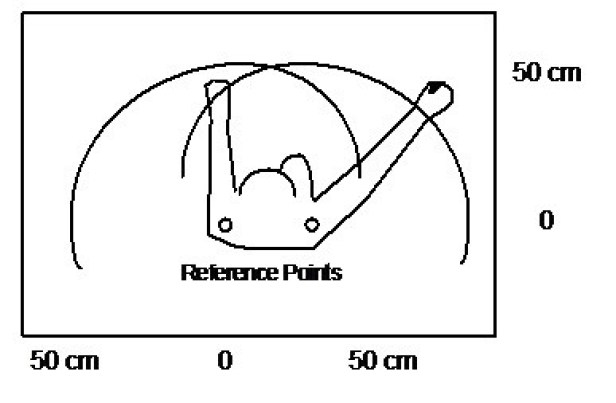

Figure 2: Guidelines for Maximum Reach While Sitting
Pulling and Pushing
- Limit the pushing and pulling force
- Use the body weight when pulling and pushing
- Provide handgrips on trolleys
- A trolley should have two swivel wheels
- Ensure that the floors are hard and even


Figure 3: Guidelines for Maximum Reach while Standing
Information and Operation
Visual Information
- Do not use text consisting entirely of capitals
- Do not justify text by inserting blank spaces
- Use a familiar typeface
- Avoid confusion between characters
- Make sure that the characters are properly sized
- The longer the line, the greater the required line spacing
- Good contrast contributes to legibility
Diagrams
- Produce diagrams that are easy to read
- Use pictograms with care
Perception of Visual Information
- Select the appropriate method for displaying information
- Information presentation should be as simple as possible
Information from Other Senses
Hearing
- Sound should be reserved for warning signals, when possible
- Select the correct pitch
- Permit operator control of audio monitors with variable attenuator within easy reach
Other Senses
- Restrict the use of taste, smell and temperature to warning signals
- Use the sense of touch for feedback from controls
Controls
- Use the QWERTY keyboard layout
- Select a logical layout for the numerical keypad
- Restrict the number of function keys
Distinguishing between Controls
- Make controls distinguishable by touch
- Use a standard location and provide sufficient spacing
- Avoid unintentional operation
- Controls should be placed well within reach
- Think carefully before using labels and symbols
- Limit the use of colour
- Match the type of cursor to the task
- Use pedals only if the use of the hands is inconvenient
- Remote controls give the user more freedom
Relationship between Information and Operation
- Ensure compatibility in the direction of movement
- The objective of the control must be obvious from its location
- Use dual controls only when the consequences can be serious
- Caution is advisable when using speech in dialogues with machines
- Synthesized speech much have adjustable features
- Touch-screens are suitable for inexperienced users
- Menus are best for users with limited knowledge or experience
- Form-filling requires a fixed sequence
- Restrict the use of command language to experienced users
- Natural language has disadvantages as well as advantages
Environmental Factors
Noise
- Keep the noise level below 80 decibels
- Limit the noise annoyance during thinking and communication tasks
- Rooms should not be too quiet
- Select a quiet work method
- Use quiet machines
- Well maintained machines are quieter
- Enclose noisy machines
- Separate noisy work from quiet work
- Maintain a sufficient distance from the noise source
- Use a ceiling to absorb noise
- Use acoustic screens
- Ear protectors must be suited to the noise and the user
Vibration
- Body vibration should not result in discomfort
- Prevent hand-arm vibration which reduces blood flow
- Prevent shocks and jolts
- Tackle vibration at the source
- Maintain machines regularly
- Prevent the transmission of vibration
- If necessary, direct the corrective measures at the individual
Illumination
- Select a light intensity of 10 to 200 lux for orientation tasks
- Select a light intensity of 200 to 800 lux for normal activity
- Select a light intensity of 800 to 3,000 lux for special applications
- Avoid excessive differences in brightness in the visual field
- Limit the light brightness differences between the task area itself, the close surroundings, and the wider surroundings
- Improved lighting improves the legibility of information
- Select a combination of ambient and localized lighting
- Daylight can also be used for ambient lighting, but remember your monitors
- Screen sources of direct light
- Prevent reflections and shadows
- Use diffuse lighting
- Flicker from fluorescent tubes can be avoided
Climate
- Allow people to control the climate themselves
- Adjust air temperature to match physical effort
- Avoid very humid and very dry air
- Avoid hot or cold radiating surfaces
- Prevent draughts
- Avoid extremely hot and cold climates
- Materials which must be touched should be neither too cold or too hot
Chemical Substances
- Chemicals used for maintenance and cleaning need to be managed to suitable limits
Task and Jobs
Tasks and Jobs
- Jobs must consist of more than one task
- Everyone contributes to solving problems
- The cycle time of repetitive tasks should exceed more than one and a half minutes
- Alternate easy and difficult tasks
- Allow people to decide independently how to do their work
- Provide contacts
- Tasks should be accompanied by sufficient information
The Relationships between Jobs
- Groups must participate in decision-making
- Jobs which are interdependent should be grouped
- The result of the group must be identifiable
- Other groups should not hinder progress
- Groups doing shift work should be given the opportunity to recover
Conclusions
Ergonomics is vitally important to your station’s future success. A well designed, ergonomically-correct, broadcast facility will be more efficient and you should benefit by being more profitable due to this efficiency.
You will be able to reduce costs due to staff illness and injury. A well designed facility is a healthier and safer place to work.. The comfort level of your staff will also be greatly improved with an ergonomically designed environment, so your staff will be happier too.
You should be able to plan your space, HVAC, lighting, and resources much better and save monies as a result.
The practice of good ergonomic design is part the future. It is one of several tools that you will need to get through this time of chaotic change. In order to survive “this period of such a major and dynamic shift within the broadcast industry”, we all will need to embrace any and every tool, old or new, to aid in our defence. Good ergonomic design is a very useful tool indeed.
This list of ergonomic considerations is an excerpt from a selection found in a book called, “Ergonomics for Beginners: A quick Reference Guide”. It was written by J. Dul and B. Weerdmeester and was originally published in 1963 under the title, “Vademecum Ergonomie”. It is currently in the second printing of its ninth, entirely revised, edition. A translated version (English) is published by Taylor and Francis Limited and is affordably priced. The ISBN is 0-7484-0079-6. It is highly recommended for the readers to pick up a copy for their own future reference.
————-MJM————-
Michael Martin has more than 35 years of experience in broadband networks, optical fibre, wireless and digital communications technologies. He is a Senior Executive Consultant with IBM’s Global Center of Excellence for Energy and Utilities. He was previously a founding partner and President of MICAN Communications and earlier was President of Comlink Systems Limited and Ensat Broadcast Services, Inc., both divisions of Cygnal Technologies Corporation. He holds three Masters level degrees, in business (MBA), communication (MA), and education (MEd). As well, he has diplomas and certifications in business, computer programming, internetworking, project management, media, photography, and communication technology.